Why Brazil Is the Most Exciting Market Opportunity for SMBs in 2026
Brazil is not just another emerging market. It is the largest economy in Latin America, home to over 215 million people, a booming middle class, and one of the most digitally connected populations on the planet. With more than 150 million internet users and an e-commerce sector that exceeded $185 billion BRL in 2023 alone, Brazil represents a generational opportunity for small and medium-sized businesses (SMBs) ready to expand beyond their borders.
Yet for every company that thrives in Brazil, another retreats — not because the market wasn’t right, but because they underestimated its complexity. Brazil’s regulatory landscape, unique payment infrastructure, and consumer expectations are distinctly different from the US or European markets. The businesses that win are those that treat Brazil as its own ecosystem, not just a translation of their existing playbook.
This guide is your roadmap. Whether you run a SaaS platform, a retail brand, or a professional services firm, here is everything you need to know to enter the Brazilian market successfully.
Table of Contents
Understanding Brazil’s Regulatory Environment: What SMBs Must Know Before Day One
Business Registration and Legal Entities
Before selling anything in Brazil, foreign companies must establish a legal presence or appoint a local representative. The most common structures for SMBs entering Brazil include:
- LTDA (Limitada): The Brazilian equivalent of an LLC. Most commonly chosen by foreign SMBs for its flexibility and limited liability protection.
- SA (Sociedade Anônima): A joint-stock company suitable for businesses seeking investment or planning to scale significantly.
- Branch Office: Requires Presidential Decree approval in Brazil — a slow and complex process most SMBs avoid.
Registration is handled through the relevant state’s Board of Trade (JUCESP for São Paulo, JUCERJA for Rio de Janeiro, for instance), the Receita Federal (Brazil’s IRS equivalent), and municipal authorities. Plan for a process that can take 60 to 120 days without local legal support.
Brazil Expansion for SaaS Companies: The 2026 Sales & Lead Gen Playbook
Tax Compliance: Brazil’s Notorious Complexity
Brazil consistently ranks among the most complex tax environments in the world. SMBs must navigate multiple layers of taxation:
- IRPJ (Corporate Income Tax) — federal
- CSLL (Social Contribution on Net Income) — federal
- PIS/COFINS (Social Integration and Social Security Financing) — federal, applied to revenue
- ICMS (Tax on Goods and Services Circulation) — state-level, varies by state
- ISS (Service Tax) — municipal, critical for SaaS and digital service providers
- IOF (Tax on Financial Operations) — applies to cross-border financial transactions
For SaaS companies specifically, the tax treatment of software as a service versus software as a product has historically been contested. Recent legislation has brought more clarity, but local tax counsel remains essential.
Pro tip for SMBs: Brazil’s Simples Nacional regime allows qualifying small businesses with annual revenue under BRL 4.8 million to consolidate multiple taxes into a single monthly payment, dramatically reducing administrative burden.
LGPD: Brazil’s Data Privacy Law
If your business collects, processes, or stores personal data from Brazilian users, you must comply with Lei Geral de Proteção de Dados (LGPD) — Brazil’s GDPR equivalent, enforced since 2021. Key obligations include:
- Appointing a Data Protection Officer (DPO) or local representative
- Publishing a compliant privacy policy in Portuguese
- Obtaining explicit consent for data processing
- Providing users rights to access, correction, and deletion of their data
- Reporting data breaches within 72 hours to the ANPD (Brazil’s data protection authority)
LGPD fines can reach up to 2% of a company’s revenue in Brazil, capped at BRL 50 million per violation. SaaS companies and digital platforms must treat LGPD compliance as a non-negotiable prerequisite, not an afterthought.
Brazil’s Payment Ecosystem: Pix, Boleto, and What Your Checkout Must Support
One of the most consequential decisions for any SMB entering Brazil is getting the payment stack right. Brazilian consumers pay differently than Americans or Europeans — and failure to offer the right options will cost you conversions regardless of how good your product is.
Pix: Brazil’s Real-Time Payment Revolution
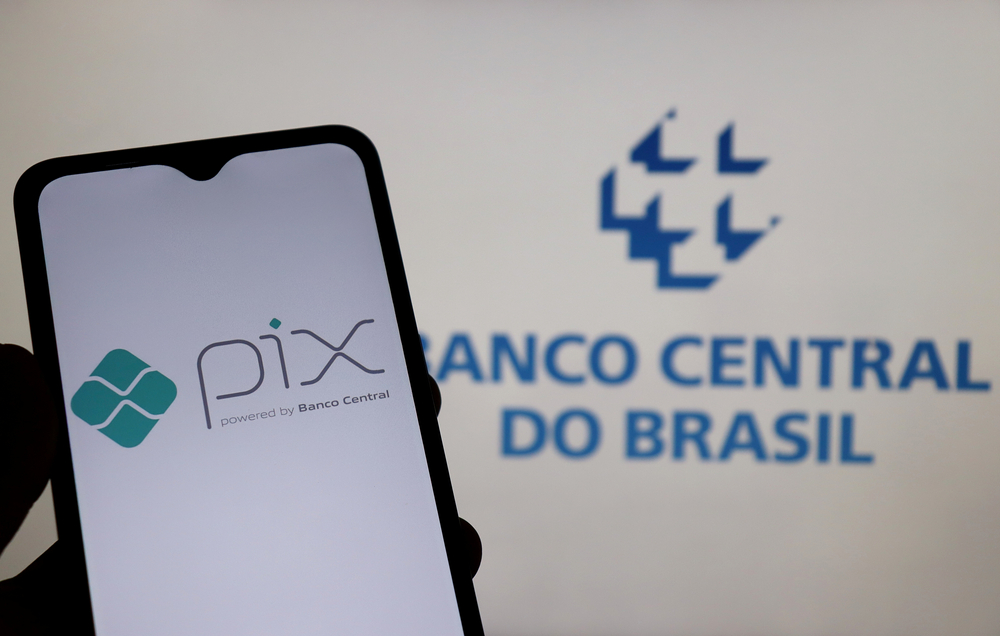
Pix has rapidly become the dominant payment method in the country. By 2024, Pix was processing over 4 billion transactions per month — surpassing both credit cards and Boleto in transaction volume.
Why Pix matters for your business:
- Instant settlement, 24/7/365 — including weekends and holidays
- Zero or near-zero transaction fees for individuals; low fees for businesses
- Requires only a “chave Pix” (CPF, CNPJ, email, phone, or random key) to receive payments
- Widely trusted and adopted across all demographics and income levels
For SMBs, Pix is particularly powerful for subscription services, B2B payments, and any product with a checkout flow. Integrating Pix into your platform requires working with a Brazilian payment processor or bank that is registered with Banco Central.
Boleto Bancário: Still Essential for Reaching All Brazilians
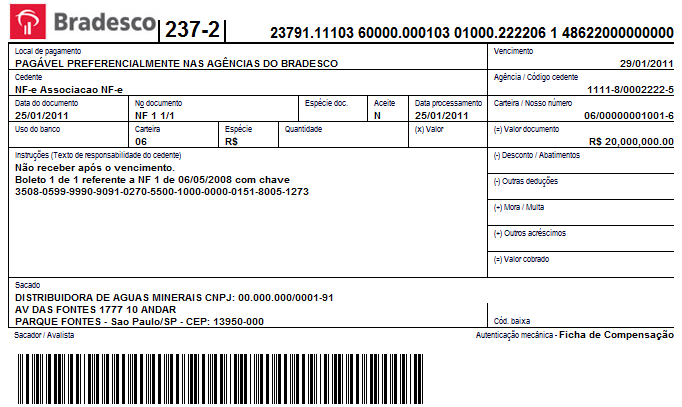
Despite Pix’s explosive growth, Boleto bancário remains critical — especially for reaching consumers without credit cards or those who prefer cash-equivalent payment methods. Boleto is a bank slip that customers can pay at any bank branch, lottery outlet, or via internet banking within its expiration window (typically 1–3 days).
Key Boleto facts for SMBs:
- Accounts for approximately 20–25% of e-commerce transactions in Brazil
- Essential for lower-income demographics and older consumers
- Requires a local bank account or integration with a Brazilian payment gateway
- Boleto payments are not guaranteed — the customer must actively complete payment, leading to cart abandonment tracking requirements
Credit and Debit Cards: Installment Culture (Parcelamento)
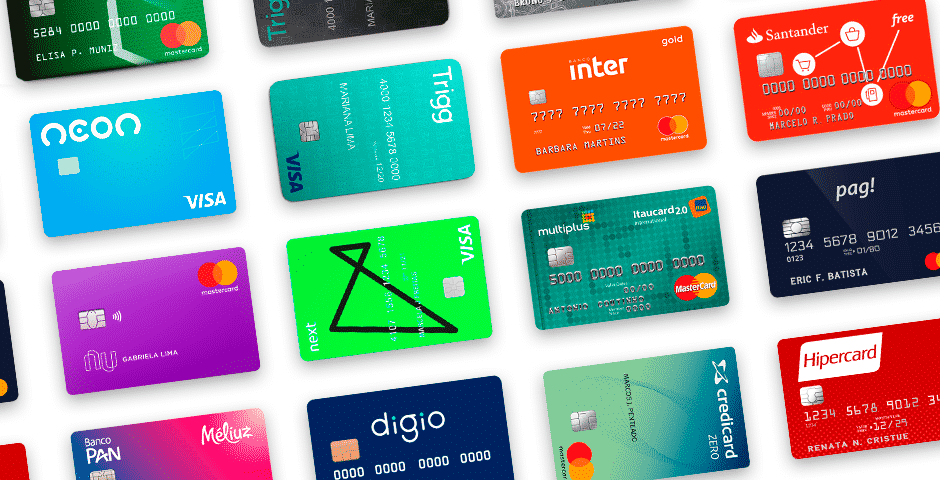
Brazilian consumers have a deeply embedded expectation of parcelamento — the ability to pay in installments, often 3x, 6x, or even 12x with no interest. This is not a premium feature; it is a baseline expectation in most product categories. SMBs that only offer single-payment options will see significantly lower conversion rates.
Your payment gateway must support:
- Installment payments (parcelamento)
- International card brands (Visa, Mastercard, Amex) as well as Brazilian-specific cards (Elo, Hipercard)
- 3DS2 authentication for fraud prevention
Recommended Payment Gateways for SMBs Entering Brazil
| Gateway | Best For | Key Feature |
|---|---|---|
| Stripe (with Brazil support) | SaaS, digital products | Easy global integration |
| PagSeguro / PagBank | E-commerce, SMBs | Full Boleto + Pix + card support |
| Mercado Pago | Marketplaces, retail | Largest network in LATAM |
| Adyen | Mid-market, enterprise | Multi-currency, robust API |
| Ebanx | Cross-border digital goods | Specializes in international companies |
Understanding Brazilian Consumer Behavior: The Cultural Codes That Drive Purchasing
Getting the payments right is necessary but not sufficient. Brazilian consumers have distinct expectations, values, and decision-making patterns that must inform your entire go-to-market strategy.
Trust Is Everything — And Must Be Earned Locally
Brazilian consumers are highly skeptical of brands they don’t know — particularly foreign ones. Building trust requires visible social proof, local testimonials, Brazilian Portuguese content (not Google-translated Spanish), and responsive customer service in the local language. A .com.br domain, a local phone number, and an active Brazilian social media presence all signal legitimacy.
WhatsApp Is the Business Communication Channel
Brazil is one of WhatsApp’s largest markets in the world. For SMBs, this has profound implications:
- Customer support is expected on WhatsApp, not just email
- WhatsApp Business API enables automated messages, chatbots, and order notifications
- Direct sales via WhatsApp (conversational commerce) is a growing and legitimate revenue channel
Any SMB entering Brazil that ignores WhatsApp is leaving money on the table.
Brazilians Research Extensively Before Buying
Brazilian consumers typically conduct substantial research before committing to a purchase — particularly for B2B SaaS and higher-ticket items. They rely heavily on:
- Reclame Aqui (Brazil’s primary consumer complaint platform — having a good score here is critical)
- Google Reviews and local review aggregators
- YouTube review videos in Portuguese
- Influencer recommendations on Instagram and TikTok
Price Sensitivity and Value Expectation
Brazil’s economic landscape means that price-to-value ratio carries enormous weight. Freemium models, free trials, and money-back guarantees significantly reduce perceived risk and drive adoption (especially for SaaS products entering a market where the brand is unknown).
Sales and Marketing Strategies That Work in Brazil
Content Marketing in Brazilian Portuguese Is Non-Negotiable
Brazilian Portuguese is not Spanish, and it is not European Portuguese. Content translated without cultural localization feels foreign and inauthentic to Brazilian readers. Invest in:
- Native Brazilian Portuguese copywriting (not translation)
- SEO optimized for Brazilian search intent and local keywords
- Blog content addressing Brazilian-specific use cases, regulations, and challenges
- YouTube content, where Brazil ranks among the top 3 countries by total watch time globally
Social Media Strategy: Instagram, TikTok, LinkedIn, and YouTube
Platform priority varies by sector:
- B2C brands: Instagram and TikTok dominate. Influencer marketing (with Brazilian creators) delivers exceptional ROI.
- B2B and SaaS: LinkedIn is growing rapidly in Brazil and is the primary channel for professional outreach and thought leadership.
- All businesses: YouTube is a trusted research platform. Product demos, tutorials, and explainers in Portuguese build credibility.
Inbound Marketing and SEO for the Brazilian Market
Brazil’s Google search volume is enormous, and competition for top rankings in Portuguese is often lower than in English-language markets — making SEO one of the highest-ROI channels for SMBs entering Brazil. Prioritize:
- A dedicated Brazilian Portuguese version of your website (ideally on a .com.br domain or a /br/ subdirectory)
- Keyword research focused on Brazilian Portuguese search intent
- Local backlinks from Brazilian media, directories, and partner sites
- Google Business Profile registration with a Brazilian address or local partner
Partnerships and Channel Sales
Many successful SMBs enter Brazil through local partners — resellers, system integrators, or referral partners who already have market trust and distribution. A well-structured channel partner program can dramatically accelerate time-to-revenue while reducing the cost and risk of building local sales infrastructure from scratch.
US vs. Brazil Market Entry: Key Differences SMBs Must Understand
| Dimension | United States | Brazil |
|---|---|---|
| Business setup | Fast (days to weeks) | Slow (60–120+ days) |
| Tax complexity | Moderate | Very high (multi-layered) |
| Dominant payment | Credit card | Pix + Boleto + installments |
| Data privacy law | State-by-state (CCPA, etc.) | Unified LGPD |
| Primary social platform | LinkedIn / Facebook / Instagram | Instagram / WhatsApp / YouTube |
| Customer support expectation | Email / chat | WhatsApp-first |
| Contract language | English | Portuguese (legally required) |
| Price sensitivity | Moderate | High |
A Step-by-Step Framework for SMB Expansion into Brazil
Step 1: Market Validation Conduct research with Brazilian consumers or businesses before investing in local infrastructure. Validate willingness to pay, competitive landscape, and product-market fit in the Brazilian context.
Step 2: Legal and Tax Structure Work with Brazilian legal counsel to establish your entity (typically LTDA), obtain your CNPJ (federal tax ID), and register at state and municipal levels. Engage a local accountant from day one.
Step 3: LGPD and Compliance Readiness Audit your data practices, localize your privacy policy and terms of service into Brazilian Portuguese, appoint a local DPO or representative, and implement consent management.
Step 4: Payment Infrastructure Integrate Pix, Boleto, and local card processing through a Brazilian-compatible payment gateway. Enable parcelamento (installments) for consumer-facing products.
Step 5: Localization Translate and culturally adapt your website, product interface, support documentation, and marketing materials into Brazilian Portuguese. This goes beyond translation — it requires cultural fluency.
Step 6: Go-to-Market Execution Launch your Brazilian-specific content marketing strategy, activate social media channels, establish WhatsApp Business presence, and build your first local partnerships.
Step 7: Ongoing Compliance and Optimization Monitor LGPD compliance, track Brazilian-specific KPIs (Reclame Aqui score, local NPS, payment method conversion rates), and iterate continuously.
FAQ: Entering the Brazilian Market as a Small or Medium Business
Q1: Do I need a local entity to sell in Brazil? Not always. Some digital products can be sold to Brazilian customers through cross-border transactions, particularly in B2B contexts. However, operating at scale, hiring local staff, or generating significant Brazilian revenue typically requires a local entity (CNPJ). Working with a local partner or Employer of Record (EOR), like Techsho, can be a bridge strategy.
Q2: Is Pix mandatory for my Brazilian checkout? Technically no, but practically yes. Pix has become so dominant in Brazil that excluding it will materially hurt your conversion rates. Most Brazilian consumers and businesses now expect Pix as a standard option.
Q3: How long does it take to set up a business in Brazil? Incorporating a Brazilian LTDA typically takes 60 to 120 days with proper legal support, though timelines vary by state and complexity. Federal CNPJ registration, state IE (Inscrição Estadual), and municipal CCM registrations must all be completed separately.
Q4: Does my SaaS product need to comply with LGPD even if I’m based in the US? Yes. LGPD applies to any company that processes the personal data of people located in Brazil, regardless of where the company is headquartered. If your SaaS has Brazilian users, LGPD applies to you.
Q5: What’s the best way to market a SaaS product in Brazil? A combination of Brazilian Portuguese SEO content, LinkedIn thought leadership (for B2B), WhatsApp Business for customer engagement, and a freemium or free trial model tends to work well. Building credibility on Reclame Aqui and gathering local case studies accelerates trust-building significantly.
Q6: Can I price my product the same in Brazil as in the US? In most cases, no. Brazilian purchasing power is lower, and consumers are price-sensitive. A localized pricing strategy — which may include lower absolute prices, BRL-denominated plans, and installment options — typically drives significantly better conversion and retention than simply converting USD prices at the current exchange rate.
Why Techsho Is the Right Partner for Your Brazilian Market Entry
Entering Brazil without expert guidance is like navigating São Paulo rush hour without a map, possible in theory, painful in practice.
Techsho specializes in helping SMBs, startups, and SaaS companies successfully expand into Brazil and the United States. From legal entity setup and LGPD compliance to payment integration, Portuguese localization, and go-to-market strategy, Techsho provides end-to-end support that reduces risk, compresses your timeline, and positions your business for sustainable growth in one of the world’s most dynamic markets.
Our team combines deep expertise in Brazilian regulatory environments, technology infrastructure, and cross-cultural go-to-market strategy — giving you a trusted partner who has already navigated every obstacle you’re about to face.
What Changes When Techsho Is in Your Corner
| Challenge | Without Techsho | With Techsho |
|---|---|---|
| Legal setup | 60–120 days of uncertainty | Guided process, right first time |
| Tax compliance | Costly errors & penalties | Local accountants from day one |
| LGPD compliance | Fines up to BRL 50M | Full audit & implementation |
| Payment integration | Lost conversions, wrong stack | Pix, Boleto, parcelamento live |
| Go-to-market | Generic strategy fails locally | Brazil-specific playbook |
| Time to first revenue | 12–18 months average | Compressed to 3–6 months |